Advanced microbial biotechnology for cleaner ecosystems.
Sustainable Solutions for Waste & Water Restoration
Sewer Lines and Drains
Challenges
- Blockages caused by human and animal waste.
- Accumulation of paper, grease, and solid organic debris.
- Frequent clogging requiring manual or mechanical cleaning.
Impact
- Persistent foul odours and harmful gas emissions.
- Breeding of flies and pests.
- Groundwater pollution due to untreated waste overflow.
- Increased maintenance costs and operational disruption.
How We Resolve
- Using advanced enzymatic and microbial Products.
- Biologically digest organic waste at the source.
- Dissolve and break down organic debris naturally.
- Prevent recurring clogs.
- Eliminate foul odours and harmful gases.
- Reduce manual cleaning frequency.
Septic Tanks & Toilets
Challenges
- Rapid filling due to inefficient organic waste breakdown
- Choked toilet pipelines in housing societies and commercial buildings.
- Faulty odours and poor hygiene in colonies and communities
Impact
- Frequent cleaning and maintenance required.
- Persistent bad smells and pest infestations.
- Wet floors, waterlogging, and unhygienic conditions.
- Groundwater contamination and pollution of nearby water bodies.
- Non-compliance with environmental regulations.
How We Resolve
- Accelerate breakdown of organic solids and sludge.
- Eliminate odours and maintain hygienic conditions.
- Ensure optimal bacterial activity for sustained sanitation.
- Prevent groundwater contamination naturally.
- Reduce maintenance frequency and operational costs.
Sewage Treatment Plants (STP)
Challenges
- Accumulation of organic solids, sludge and, untreated waste water.
- Frequent high-cost maintenance and cleaning.
- Inefficient treatment leading to poor-quality water and failure functioning of plant.
Impact
- Foul odours and colour in treated water.
- High energy and manpower requirements.
- Water unsuitable for reuse or discharge compliance.
How We Resolve
- Accelerate the process of breaking-down of organic solids.
- Effectively minimize the sludge accumulation and odours.
- Lower energy and maintenance costs
- Improve water quality for safe reuse in gardening or household applications.
- Ensure environmentally compliant and sustainable treatment.
Polluted Lakes, Rivers & Ponds
Challenges
- Untreated organic waste contamination
- Water hyacinth & invasive species
- Threat to aquatic ecosystems
Impact
- Foul odours
- Groundwater pollution
- Unsafe disposal issues
How We Resolve
- Reduce toxic gases & odours
- Improve dissolved oxygen
- Increase water clarity
- Restore biodiversity
- Revitalize water bodies safely
Solid Organic Waste
Challenges
- Waste mismanagement causing pollution
- Food & industrial residue buildup
- Landfill saturation
Impact
- Bad smell from decomposition
- Leachate contamination
- Storage & environmental issues
How We Resolve
- Rapid organic waste breakdown
- Reduce odours & emissions
- Lower landfill dependency
- Maintain clean waste areas
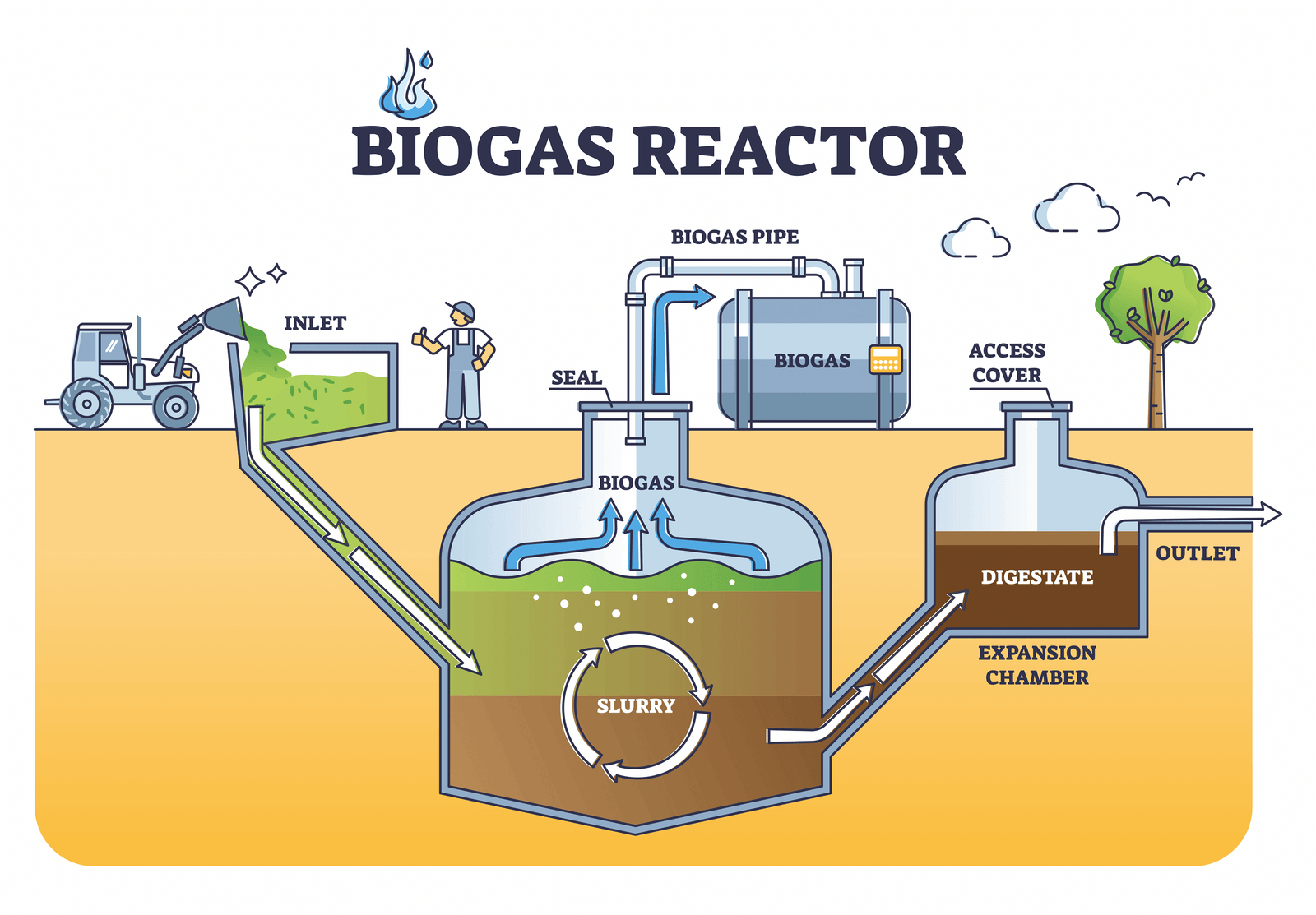
Composting & Biogas
Challenges
- Foul odours
- Pests attraction
- Slow composting process
- Low biogas production
Impact
- Ammonia & gas emissions
- Labour intensive process
- Low energy recovery
How We Resolve
- Fast decomposition process
- Nutrient-rich compost
- Improved biogas generation
- Reduce odours & pests
- Lower CH4, CO2 & N2O gases
Nutrient Pollution & Water Restoration
Challenges
- Excess nutrients in water (nitrogen and phosphorus) causing nutrient pollution.
- Overgrowth of algae and aquatic plants disrupting natural balance
- Pollution from agricultural runoff, wastewater discharge, aquaculture, and atmospheric deposition
- Oxygen depletion in water leading to fish kills and loss of aquatic biodiversity
Impact
- Low dissolved oxygen harming fish, crabs, oysters, and other aquatic life.
- Decomposition of algae and sea grass producing foul odours and sludge
- Disruption of water ecosystems and reduced water quality
- Increased costs and complexity for water treatment and ecosystem restoration
How We Resolve
- Converts anaerobic conditions into aerobic ones, reactivating natural microbial regeneration.
- Microorganisms digest organic matter into living biomass rather than sludge
- Improves dissolved oxygen levels naturally, revitalizing aquatic ecosystems
- Eco-friendly, easy-to-implement solutions for ponds, lakes, cisterns, storage tanks, STPs, and bio-toilets
- Reduces costs, eliminates the need for aeration tanks, pumps, or extensive infrastructure